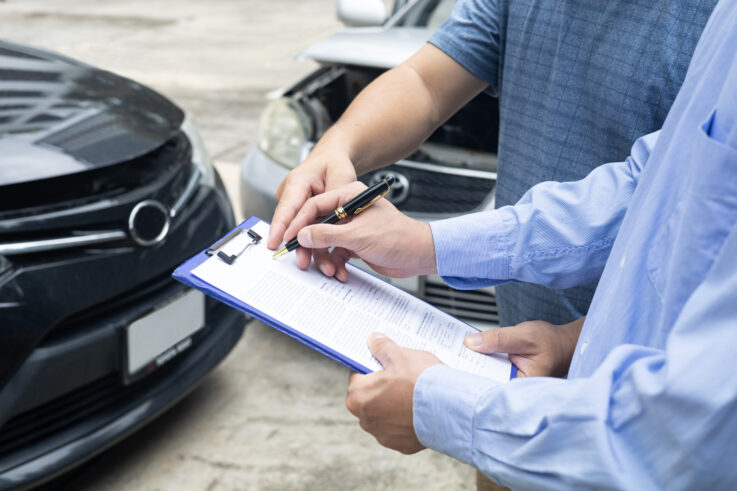

When your vehicle’s been in an accident, the last thing you need is misinformation. Unfortunately, collision repair myths are everywhere, and they often lead car owners to make costly or unsafe decisions.
This article cuts through the confusion by exposing five of the most common collision repair myths. Whether you’re dealing with your first fender-bender or navigating a complex insurance claim, understanding the truth can help you protect your vehicle, your wallet, and your peace of mind.
Myth 1: You Must Go to the Dealership for Quality Repairs
1. One of the oldest collision repair myths is that only a dealership can properly fix your vehicle. While dealerships often do quality work, they’re not your only option—and not necessarily the best one for your needs.
The truth: You’re legally allowed to choose any certified repair shop after an accident, even if your insurance company has a “preferred” provider. Independent shops often offer the same high level of service (and warranties) at a more competitive price.
What to Look for Instead:
- ASE-certified or I-CAR Gold Class technicians
- Positive customer reviews
- OEM or high-quality aftermarket parts
- Clear estimates and communication
Dealerships can be convenient if your car is still under warranty, but they’re not the only route to safe, professional repairs.
Myth 2: Your Insurance Company Decides Where You Can Go
Many drivers believe their insurance provider has the final say on where repairs are done. This is another damaging collision repair myth that often causes confusion and unnecessary stress.
The truth: It’s your car. You have the right to choose the shop that repairs it. Insurance companies may recommend shops they work with, but the decision is yours.
Key Facts:
- Insurance networks may offer perks (like faster approvals), but shops outside the network are just as qualified.
- A good shop will still work directly with your insurer to manage claims and paperwork.
- Choosing a shop, trust matters more than sticking to a list.
To learn more about your rights, visit the National Association of Insurance Commissioners (NAIC).
Myth 3: Aftermarket Parts Are Always Inferior
There’s a widespread belief that using aftermarket parts instead of OEM (Original Equipment Manufacturer) parts makes your car less safe or lowers its value.
The truth: Not all aftermarket parts are created equal, but many are manufactured to meet or exceed OEM standards. When chosen from reputable sources, they can be just as reliable and safe.
What You Should Know:
- High-quality aftermarket parts can help lower repair costs without sacrificing performance.
- The key is using parts certified by organizations like CAPA (Certified Automotive Parts Association).
- Some insurers may encourage aftermarket use for cost reasons, but the final decision should prioritize quality.
Ask your repair shop whether they use CAPA-certified parts and why they recommend a certain option.
Myth 4: Minor Damage Doesn’t Need Immediate Attention
If your car drives fine after a minor collision, it might be tempting to ignore that small dent or scratched bumper. But this is one of the more dangerous collision repair myths.
The truth: Superficial damage can hide deeper issues. Misaligned sensors, weakened frames, or small cracks can compromise safety over time.
Why You Shouldn’t Wait:
- Unaddressed damage can worsen, leading to higher costs down the road.
- Modern vehicles rely on delicate electronics and safety features—minor impacts can throw them off.
- Delaying repairs could impact future insurance claims or vehicle value.
It’s always worth getting an expert inspection, even if you think the damage is minimal.
Myth 5: All Repair Shops Do the Same Work
Not every shop follows the same repair standards, uses the same parts, or employs certified technicians. Assuming they do is one of the most harmful collision repair myths out there.
The truth: There are major differences in skill level, equipment, and attention to detail between auto body shops. Choosing the wrong one could mean improper repairs that affect both safety and resale value.
Signs of a Reliable Collision Repair Shop:
- Certifications from ASE, I-CAR, or vehicle manufacturers
- Up-to-date tools for diagnostics and repair
- Written warranties for workmanship
- Transparent pricing and communication
Your car deserves more than a quick fix. Look for a repair partner who treats it—and you—with the care it deserves.
At AutoLux Collision, our certified technicians, advanced repair technology, and commitment to transparent service have made us a trusted choice for collision repair in Sun Valley and the greater Los Angeles area.
Don’t Let Collision Repair Myths Guide Your Decisions
Car accidents are tough enough. Don’t make the process harder by falling for outdated or misleading information. By understanding and rejecting these common collision repair myths, you can make smart choices that keep your vehicle safe, functional, and looking great.
From understanding your repair rights to knowing what quality really looks like, a little knowledge goes a long way. Ask questions. Compare options. And always choose a certified collision repair center that puts your safety and satisfaction first.